Blog
Garage Conversion Condensation: Why It Happens and What Goes Wrong
Why a converted garage can develop condensation
A comfortable garage conversion depends on more than adding insulation. Moisture still enters the room through everyday use, including breathing, cooking, washing and drying clothes. The problem starts when that damp air meets a surface cold enough for water vapour to condense into droplets.
In a garage, some surfaces can remain colder than the rest of the room. The floor, outside walls, the edges around windows and the where a wall meets the ceiling are common places for heat to escape. If insulation stops short at one of these points, that small uninsulated area can become a cold bridge. Warm, moist air reaches it and leaves condensation behind.
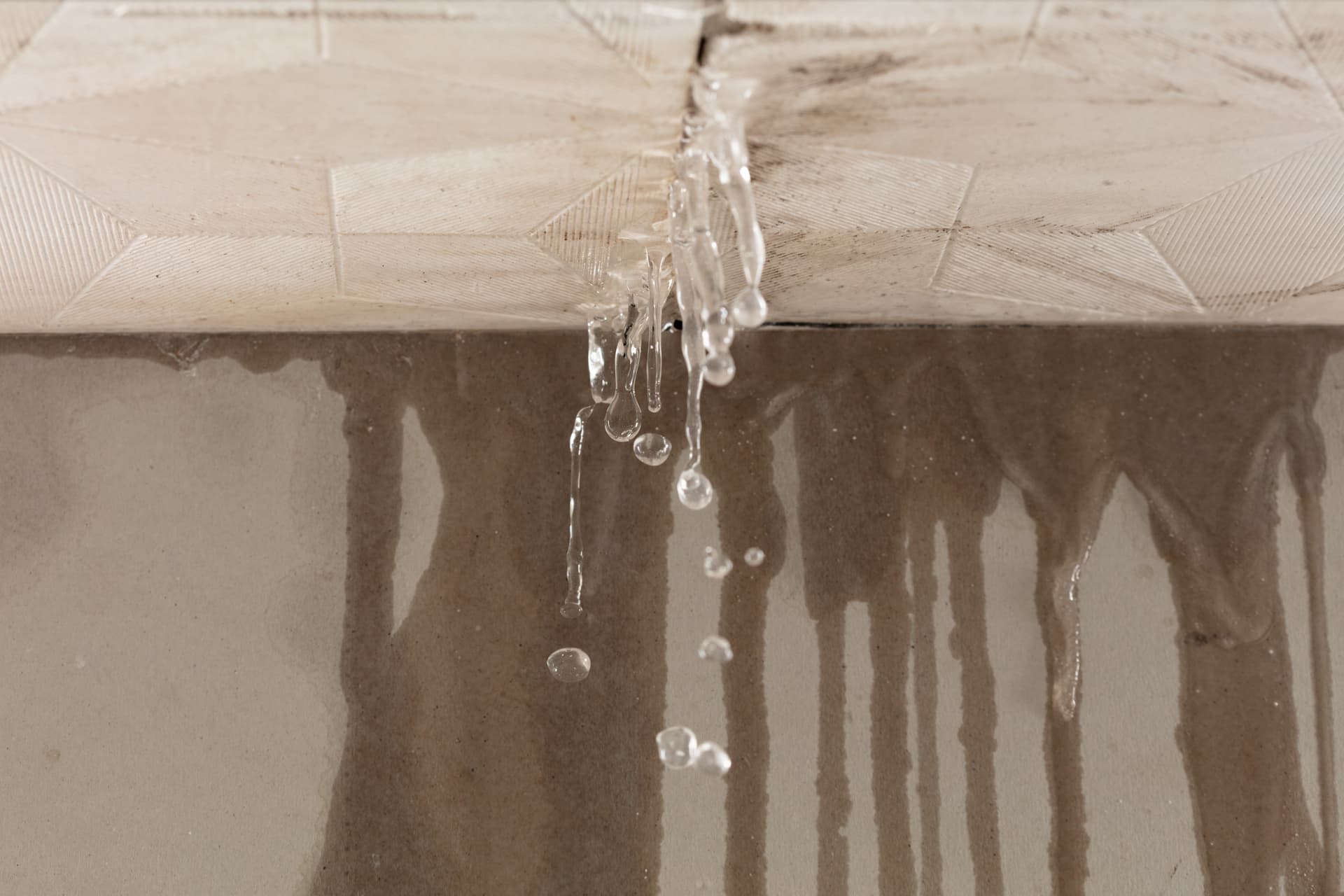
The first signs may be easy to overlook: droplets on glass, damp patches in corners, black spotting behind furniture or a persistent musty smell. These clues matter because visible moisture is not always the whole problem. Damp can develop in a concealed corner or behind a lining before it becomes obvious in the room.
How well-meant fixes can make matters worse
One common mistake is to treat a damp-looking surface without finding out why it is wet. Repainting, wiping down or covering a patch may improve its appearance temporarily, but it does not change the temperature of the surface or remove moisture from the air. If the underlying cause remains, the marks are likely to return.
Adding insulation can also cause trouble if the layers are not considered together. Insulation reduces heat loss, but gaps and poorly joined edges can leave cold spots. Meanwhile, the materials and layers in a wall can trap damp inside if they stop it drying out properly. The right approach depends on the existing wall, its condition and the materials used, rather than on insulation thickness alone.
A room can also feel sealed and still have too much moisture. Reducing draughts helps limit uncontrolled heat loss, but it does not remove water vapour created inside the home. Without suitable ventilation, moisture can linger and settle on the coldest available surface. Simply opening a window now and then may not address the cause if the room has no effective way to manage regular moisture build-up.
Heating patterns play a part as well. If the room is heated very differently from the rest of the home, its surfaces may stay cool while warm, humid air moves in from elsewhere. That difference can encourage condensation at the coldest points. The answer is not automatically to add more heat: the insulation, ventilation and way the space is used need to be considered together.
What condensation can lead to if ignored
Repeated dampness can damage paint and plaster, loosen finishes and create conditions where mould can grow. If moisture is getting into a concealed part of the wall or floor construction, the visible signs may appear only after the problem has persisted. Covering the evidence without identifying the source can mean more disruption later, when finishes need to be removed to reach the affected area.
Pay attention to patterns rather than one isolated mark. Condensation on several cold surfaces points towards a wider balance between indoor moisture, insulation and ventilation. A patch concentrated around one point where surfaces meet may indicate a local cold bridge or a gap in the insulated envelope. A stain that grows or returns after cleaning deserves investigation, especially if it is accompanied by a musty odour or deterioration to the surrounding finish.
These observations can help you describe the issue, but they do not establish what is happening inside a wall or floor. Avoid opening up the construction yourself. A proper assessment needs to distinguish between surface condensation and moisture entering from another source, since the remedies are different.
Getting the balance right in a conversion
The aim is to limit cold surfaces, keep the insulation continuous where walls, floors and ceilings meet and provide a suitable route for indoor moisture to leave. Those elements work as a system. Improving one while overlooking the others can shift the problem rather than solve it.
For a garage conversion in Abingdon or elsewhere in Oxfordshire, the existing construction and intended use both matter. An office used for occasional work will not create moisture in quite the same way as a bedroom used every night. At Acute Homes, we encourage you to raise signs of damp or condensation early, so the issue can be considered as part of the conversion rather than hidden behind a finished surface. Read our Garage Conversions page for an overview of the service and the common questions homeowners ask.
Other Articles